Internet and social media platforms are flooded with endless fitness advice. However, when unverified trends spread unchecked, these deep-rooted misconceptions can do more harm to your metabolic health than good.
If you have been feeling stuck despite your best efforts, you might be falling for these widespread dietary traps. Let’s break down the science behind four of the most common weight loss myths that wellness experts want you to stop believing today.
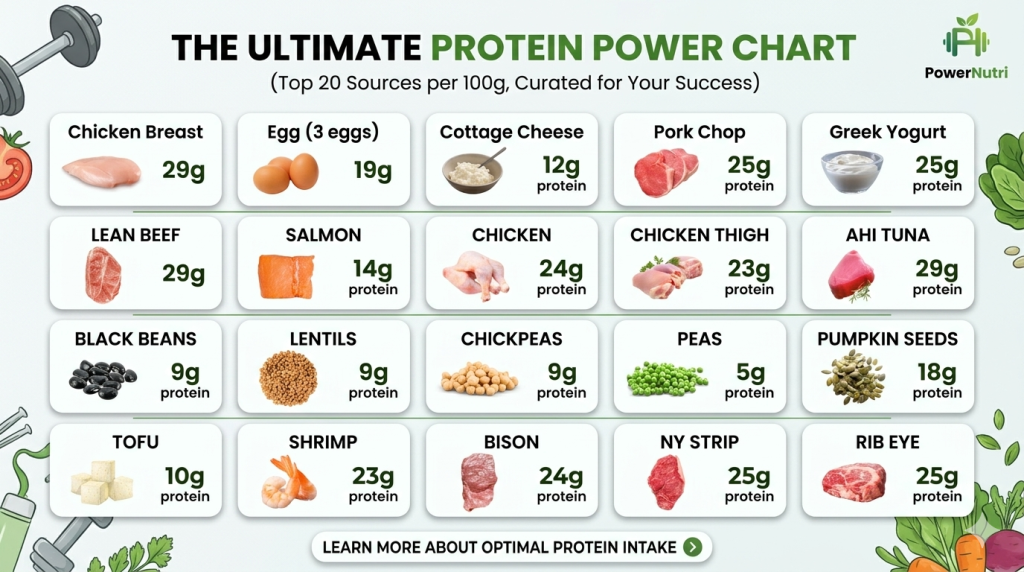
Myth 1: You Can Eat Unlimited Protein Without Gaining Weight
When embarking on a body transformation journey, cutting down on refined carbohydrates is a standard move, but restricting protein is rarely considered. Protein is an absolute cornerstone nutrient required to maintain, repair, and recover vital muscle tissues and bodily systems.
However, this does not mean it comes with a zero-calorie free pass. Protein, just like any other macronutrient, contains calories; consuming it well beyond your physiological needs will inevitably lead to an increase in overall body weight and fat storage.
How to Optimize Your Daily Intake
The ideal daily protein requirement is deeply individual, shifting based on your age, biological sex, current weight, and physical activity levels.
For Average Adults: Aim for a base range of 0.8g to 1.2g of protein per 1kg of body weight.
For Active Lifestyles: If you engage in heavy training or have a highly demanding physical routine, scale your intake up to 1.2g to 2.0g per 1kg of body weight to maximize recovery.
Figure 1: Prioritizing clean, portion-controlled macronutrients like lean protein and healthy unsaturated fats is essential for sustaining long-term metabolic health and successful weight management.
Myth 2: Eating Immediately After a Workout Instantly Turns to Fat
There is a lingering fear among fitness enthusiasts that consuming a meal right after finishing a grueling workout will cause the food to convert straight into stubborn body fat. This is entirely false.
In reality, your body goes through an intense state of depletion during exercise. Providing timely, high-quality nutrition is an absolute necessity to replenish exhausted energy reserves and systematically rebuild micro-tears in damaged muscle tissues.
Instead of starving your body post-workout, focus on a well-rounded recovery meal. Pairing high-quality protein with essential vitamins, minerals, and clean, anti-inflammatory fats creates the ultimate synergy. This targeted nutritional timing actively protects your lean muscle mass, boosts muscle protein synthesis, and keeps your basal metabolic rate (BMR) burning efficiently.
Myth 3: The Natural Sugars Found in Whole Fruits Cause Obesity
Because whole fruits naturally contain fructose, they are frequently blacklisted alongside processed junk food by extreme low-carb dieters. However, comparing fresh fruit to a can of soda or a box of cookies is a massive nutritional mistake.
Whole fruits are structurally entirely different from processed sweets. They are densely packed with natural hydration, essential dietary fibers, vital vitamins, and potent antioxidant complexes. This unique cellular matrix naturally slows down digestion, drastically improves long-term satiety, and delivers a steady stream of cellular nourishment rather than spiking your systems.
In fact, extensive clinical research consistently demonstrates that consuming a moderate, balanced amount of fresh fruit has zero negative impact on weight management. Rather than forcefully banishing fruit from your lifestyle, simply enjoy it mindfully within your standard daily caloric boundaries to satisfy your sweet cravings naturally.
Myth 4: You Must Completely Avoid All Foods That Contain Fat
The outdated “low-fat” craze of past decades left a misconception that dietary fat is the ultimate enemy of a lean physique. The truth is that not all fats act the same way inside your metabolic system.
Completely cutting out fat from your diet can stall your progress, disrupt hormone production, and compromise cellular health. The secret lies in making intelligent, premium selections. Food sources that are rich in unsaturated fatty acids—such as extra virgin olive oil, fresh avocados, raw nuts, and wild-caught fatty fish—are incredibly powerful assets for a successful body transformation.
The Cellular Benefits of Healthy Fats
Calming Inflammation: Premium unsaturated fats work actively to reduce systemic inflammation within the body, which is a primary hidden driver of stubborn fat retention.
Maximizing Nutrient Absorption: Many critical vitamins (Vitamins A, D, E, and K) are strictly fat-soluble, meaning your body cannot physically absorb them without a healthy fat vehicle present.
By strategically welcoming these premium, high-density healthy fats into your culinary routine, you protect your internal biology, increase your meal-to-meal satisfaction, and set the stage for smart, sustainable fat loss.
The Bottom Line: Focus on Quality and Structure
Achieving your ultimate physical shape isn’t about following restrictive, unverified social media trends or starving your body of essential food groups. True, lasting body transformation comes down to understanding the structural science of nutrition—balancing your macronutrients, managing inflammation, and recognizing that quality always trumps restriction.
By replacing common fitness myths with verified, lifestyle-driven choices, you can lose weight more intelligently while fully elevating your daily vitality and long-term health.
Leave a Reply